
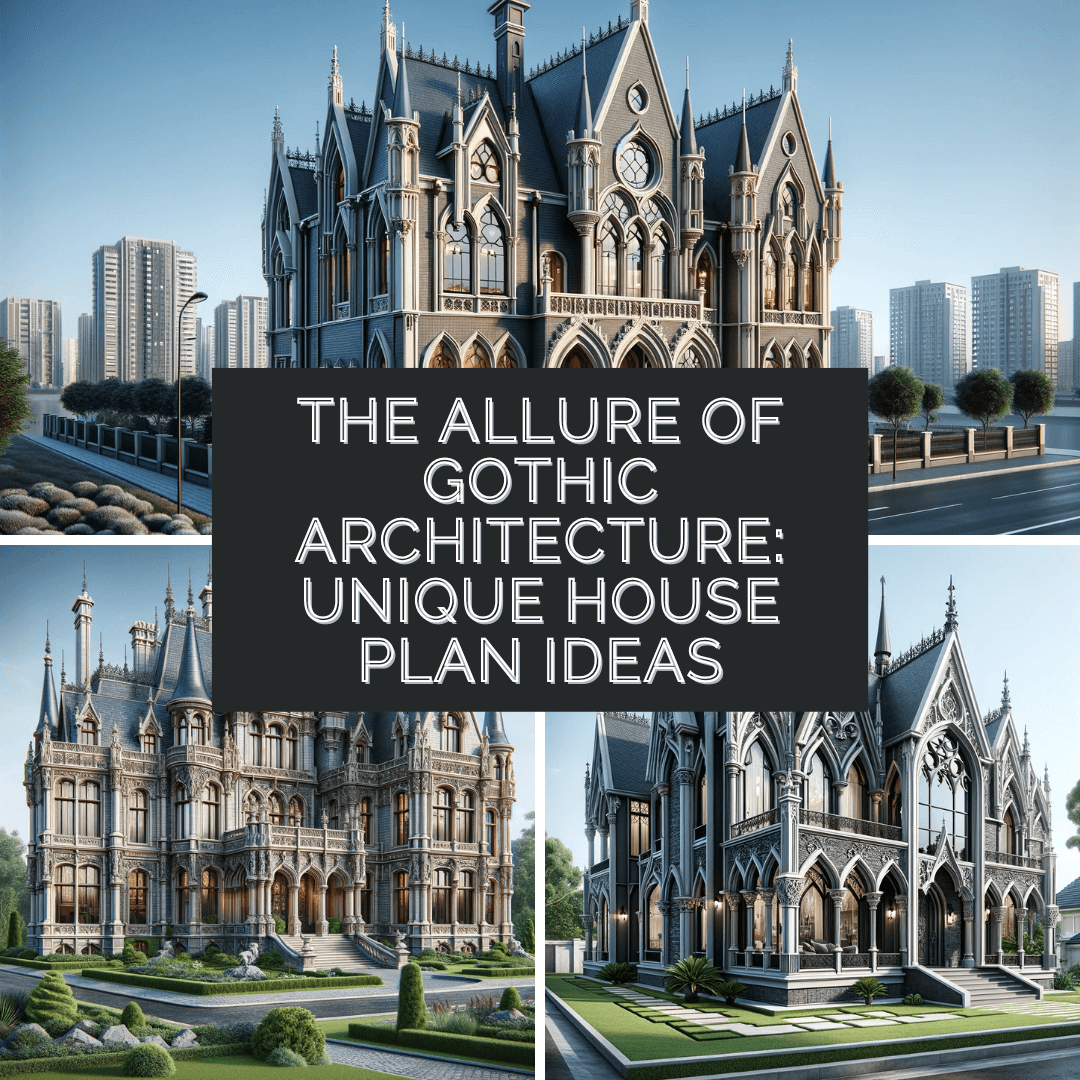
Gothic architecture, a style that originated in the high and late medieval period, has left an indelible mark on the world of design. Known for its grandeur, intricacy, and spiritual undertones, Gothic architecture has evolved over centuries, influencing various aspects of modern house plans. In this article, we delve into the historical evolution of Gothic architecture, explore its key elements in house plans, and examine how modern adaptations have kept this style relevant and awe-inspiring.
Historical Evolution of Gothic Architecture
Gothic architecture, a style that has profoundly influenced the aesthetic landscape of Europe and beyond, began its journey in the 12th century. Originating in France, it represented a departure from the Romanesque architecture that preceded it, introducing an air of verticality and lightness that was previously unseen. The early phase, known as the High Gothic period, saw the construction of iconic structures like the Notre-Dame Cathedral in Paris, characterized by their soaring heights, pointed arches, and expansive stained-glass windows.
As the style evolved, it spread across Europe, each region interpreting it in unique ways. In England, for instance, the Gothic style manifested in grand cathedrals with intricate fan vaults and detailed tracery. In Germany and Spain, Gothic architecture took on even more flamboyant forms, with elaborate exteriors and richly decorated interiors.
The Renaissance period eventually saw a decline in the popularity of Gothic architecture, as it began to be associated with the barbaric (a term derived from “Gothic” as used by Renaissance humanists). However, the 19th century witnessed a Gothic Revival, particularly in England, where architects like Augustus Pugin and John Ruskin championed a return to this medieval style, seeing it as a symbol of spiritual and moral values.
If you want to know more about gothic architecture, EASYarchitecture explains it in this video:
Elements of Gothic Style in House Plans
Gothic style house plans are distinguished by several key elements:
- Pointed Arches and Ribbed Vaults: These are signature features that add a dramatic and majestic feel to the structure.
- Flying Buttresses: While more common in cathedrals, these elements can be incorporated into house designs for both aesthetic and structural purposes.
- Ornate Decorations: Intricate carvings, stained glass, and decorative stonework are hallmarks of Gothic architecture.
- Tall Windows and High Ceilings: These features create a sense of grandeur and allow ample natural light.
Designing a Gothic Style House Today
The process of designing a Gothic-style house today involves a careful balance of historical elements and modern functionality. It starts with a clear vision and understanding of Gothic architectural principles, followed by a thoughtful selection of materials and design details that reflect this style.
With the advent of AI tools in architecture, designing a Gothic-style house has become more accessible and precise. AI-powered platforms like HomeDesigns AI enable homeowners and designers to visualize and experiment with Gothic design elements in real-time, making the design process more efficient and creative. You also have many more design styles that you can choose from, that you can use on the interior and exterior of your house, and also the garden or courtyard of your house.
Let’s explore five different houses designed in a Gothic style using HomeDesigns AI, showcasing the versatility and timelessness of this architectural style:
The Urban Gothic Revival
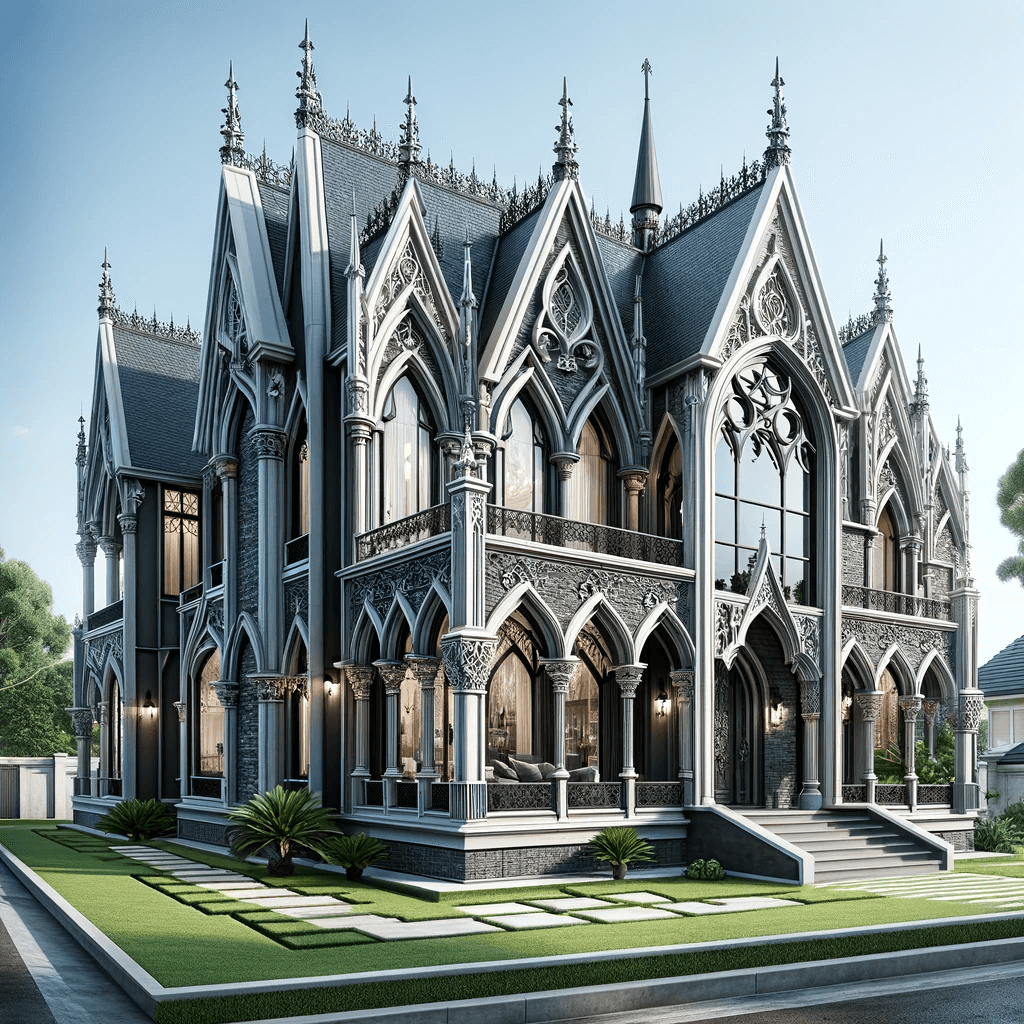
A modern city home that incorporates Gothic arches and window designs.
The Countryside Gothic Estate

Featuring traditional Gothic stonework and ornate detailing, set in a rural landscape.
The Contemporary Gothic Villa
A blend of Gothic elements with contemporary design, creating a unique and luxurious living space.
The Gothic Townhouse
A more compact design that integrates Gothic features into a functional urban dwelling.
The Neo-Gothic Mansion
An expansive residence that uses Gothic style in a grand and opulent manner.
Wrapping UP
Gothic architecture, with its rich history and distinctive style, continues to inspire and captivate in the realm of modern house design. From the majestic cathedrals of medieval Europe to contemporary homes, the Gothic style has proven its timelessness and adaptability.