
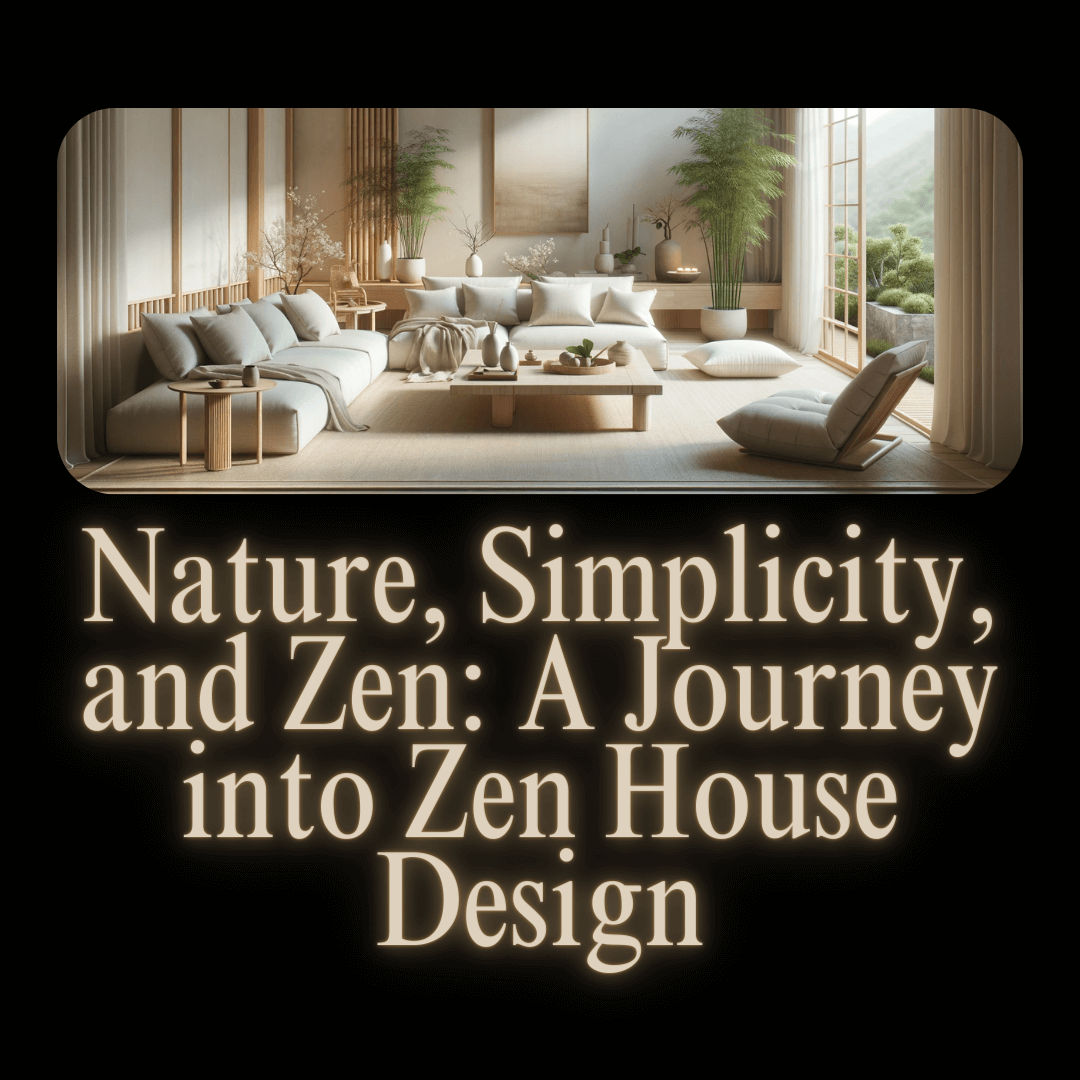
In the realm of architecture and interior design, Zen design has emerged as a beacon of tranquility and minimalist beauty. This design philosophy, deeply rooted in simplicity and natural aesthetics, is increasingly embraced in contemporary homes. It offers a peaceful retreat from the chaos of modern life, creating spaces that are not just visually appealing but also spiritually nurturing. In this article, we delve into the serene world of Zen house design, exploring its history, key principles, and how you can bring this tranquil aesthetic to contemporary homes.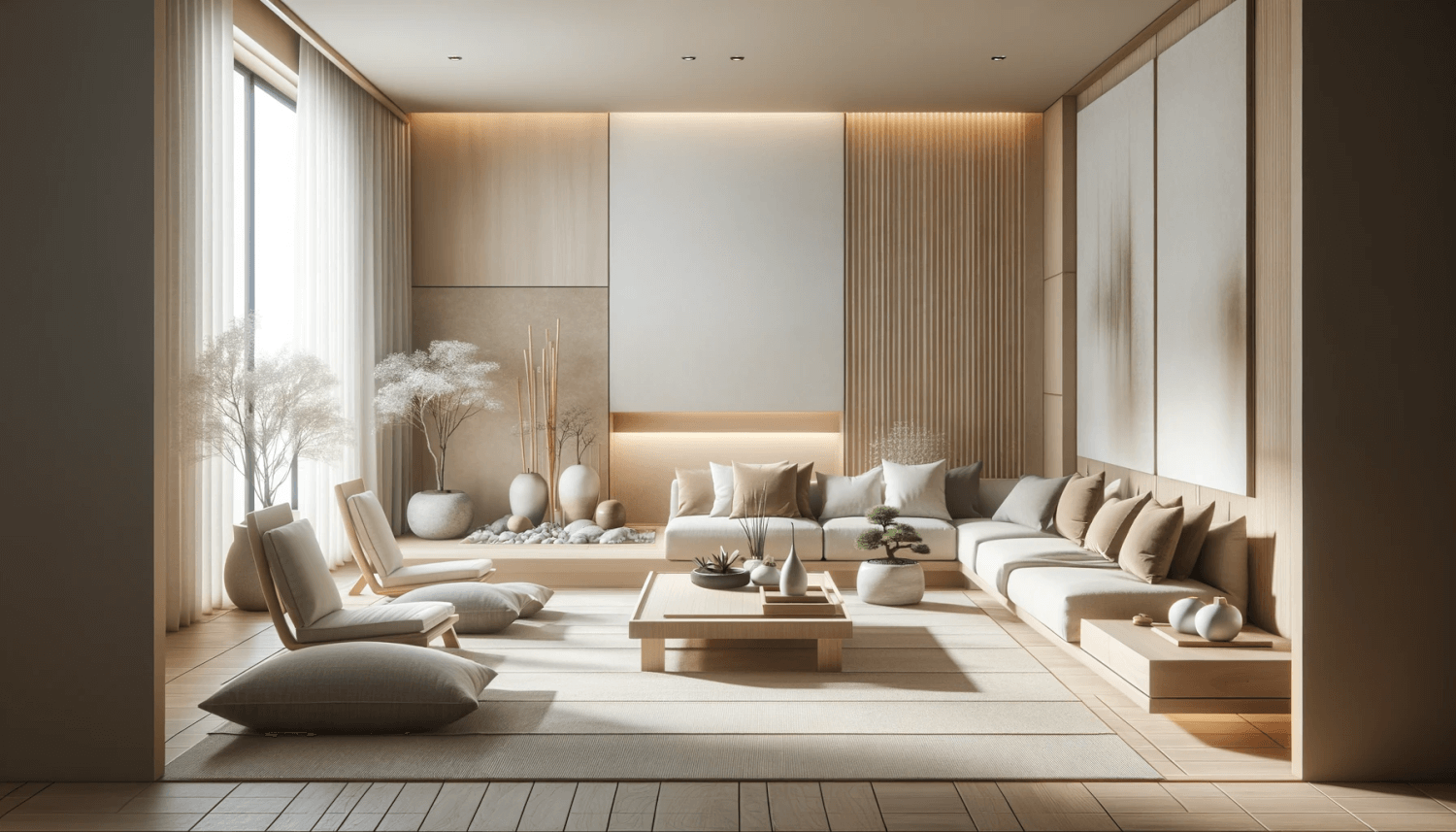
History and Evolution of Zen Design
The concept of Zen house design finds its roots in the Zen Buddhism philosophy, which originated in China and later spread to Japan. Zen emphasizes simplicity, mindfulness, and the beauty of natural elements, principles that have significantly influenced Japanese architecture and interior design.
In its early stages, Zen design was closely tied to the minimalist aesthetics of traditional Japanese homes, known for their tatami mats, sliding doors, and serene gardens. These elements were not just functional but also deeply symbolic, reflecting a connection to nature and a focus on inner peace. The design was characterized by open, flexible spaces that encouraged contemplation and a harmonious lifestyle.
As Zen philosophy gained global recognition, its influence extended beyond Japan, impacting modern architecture and interior design around the world. Contemporary Zen house design often merges traditional Japanese elements with modern materials and technology, creating spaces that are both aesthetically pleasing and spiritually calming. This fusion has led to the creation of homes that are not only visually stunning but also embody the Zen principles of harmony, simplicity, and connection with nature.
Key Principles of Zen Design
At the heart of Zen design are principles like minimalism, the use of natural materials, and a strong connection with nature. Key elements include sliding doors (Shoji), tatami mats, and a color palette inspired by the natural world. The incorporation of plants, water features, and natural light is crucial, as these elements bring a sense of calm and fluidity to the space. The design aims to create an atmosphere of tranquility, where one can connect with nature and find inner peace.
Modern architecture has seen a seamless integration of Zen principles, blending traditional elements with contemporary design trends. Today’s Zen houses often feature open, airy spaces, large windows for natural light, and a minimalist approach to furnishings. This fusion creates living spaces that are both functionally modern and spiritually grounded.
Integrating Zen Design in Your House
Incorporating Zen design into modern homes has been made more accessible with advancements in technology. HomeDesigns AI, for instance, is a platform that allows homeowners to visualize Zen-inspired designs for their homes. Users can upload images of their spaces and experiment with various Zen elements.
You can use the Beautiful/Creative Redesign feature for a complete redesign. The Beautiful Redesign mode provides a more refined and subtle transformation, maintaining the essence of your existing space while infusing it with Zen elements. For those seeking a more dramatic change, the Creative Redesign mode explores bold and innovative ways to integrate Zen design.
Precision+ takes customization to the next level. After exploring initial redesign ideas, this feature allows you to fine-tune specific elements of the design. Whether it’s adjusting the placement of a bamboo plant, changing the texture of a tatami mat, or experimenting with different lighting options, Precision+ enables you to meticulously craft every detail to resonate with Zen philosophy, as well as other elements from different design styles.
The Fill Spaces feature is particularly useful for those starting from scratch or looking to add new elements to their space. It suggests appropriate furniture, decor items, and architectural elements that embody Zen aesthetics. This feature ensures that every addition to your space contributes to an atmosphere of tranquility and mindfulness, which is essential in Zen design.
Wrapping UP
Zen house design transcends mere aesthetic appeal, offering a profound approach to living that emphasizes tranquility, simplicity, and a deep connection with nature. In today’s fast-paced world, a Zen-inspired home serves as a sanctuary, a place where calmness and mindfulness reign supreme. The fusion of traditional Zen principles with modern design techniques creates spaces that are not only visually stunning but also spiritually enriching.