
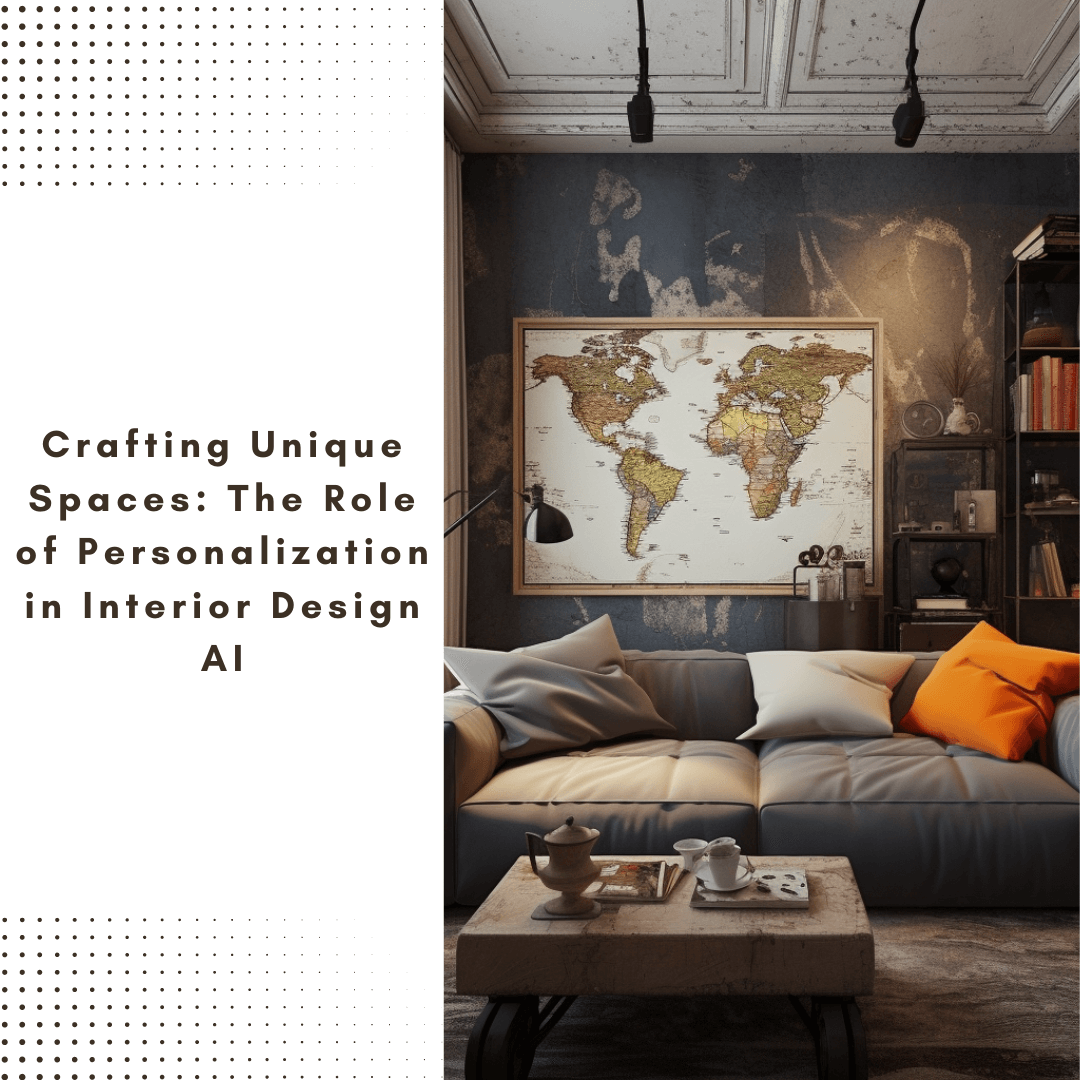
In the world of interior design, personalization has always been key. It’s about creating spaces that not only look good but also feel like home. However, the rise of AI in this field is adding a new layer of customization, making each space truly unique.
Traditional Methods Meet Modern Technology
Traditionally, achieving a personalized look meant spending hours with a designer, flipping through swatches, and testing out various layouts. While this approach has its merits, the advent of interior design AI is enhancing it by offering a level of precision and customization that was previously hard to achieve. Advanced algorithms can now analyze various factors, such as room dimensions and lighting conditions, to offer design solutions that are both aesthetically pleasing and functional.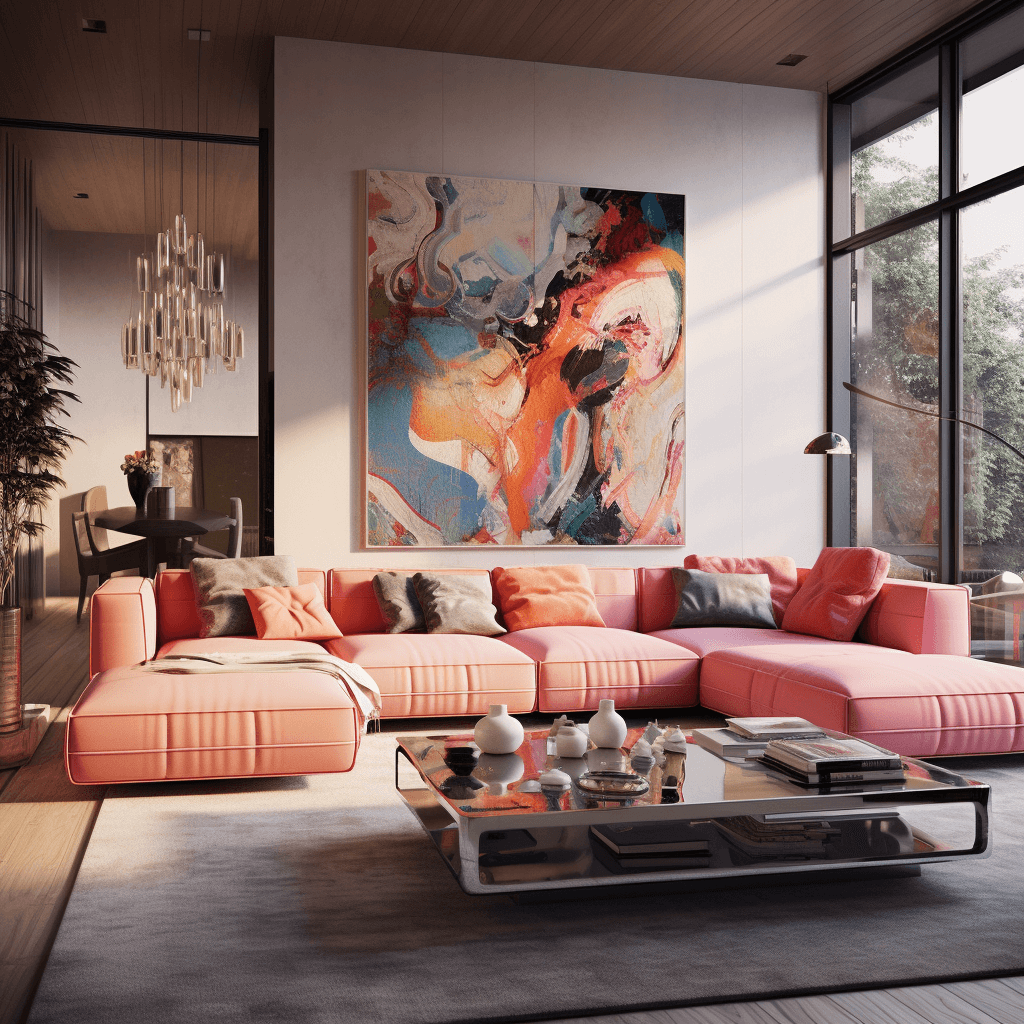
Understanding Individual Preferences
One of the most exciting advancements in interior design is its ability to understand individual preferences. By analyzing data from your previous design choices or even a simple questionnaire, AI can get a nuanced understanding of your style. Whether you’re into minimalism or prefer a more eclectic style, AI algorithms can tailor their suggestions accordingly.
Personalization Data in Interior Design AI
The power of personalization in interior design comes from data. The more information the system has about your preferences and needs, the better it can tailor its design suggestions. This goes beyond just aesthetics; it also includes functional elements like optimizing for small spaces or specific lifestyle needs.
Adaptive and Flexible Spaces (Powered by AI)
For those who face unique challenges, such as small apartments or irregular room shapes, AI offers adaptive design solutions for your interior. It can suggest multi-purpose furniture or even wall-mounted units that free up floor space, all while keeping your specific needs and preferences in mind.
The Future is Personal
As technology continues to evolve, the role of AI in interior design is set to grow, particularly in the realm of personalization. Future advancements may include real-time design modifications and even virtual reality integrations, offering an even more immersive design experience. The potential for interior design AI to further personalize our living spaces is truly exciting.
The integration of AI into interior design is proving to be a game-changer, especially in the realm of personalization. It offers limitless possibilities for crafting spaces that are not just visually stunning but also incredibly attuned to individual needs and styles. As we continue to push the boundaries of what’s possible with interior design AI, the focus remains clear: to make the design process as personalized, effortless, and enjoyable as possible.