
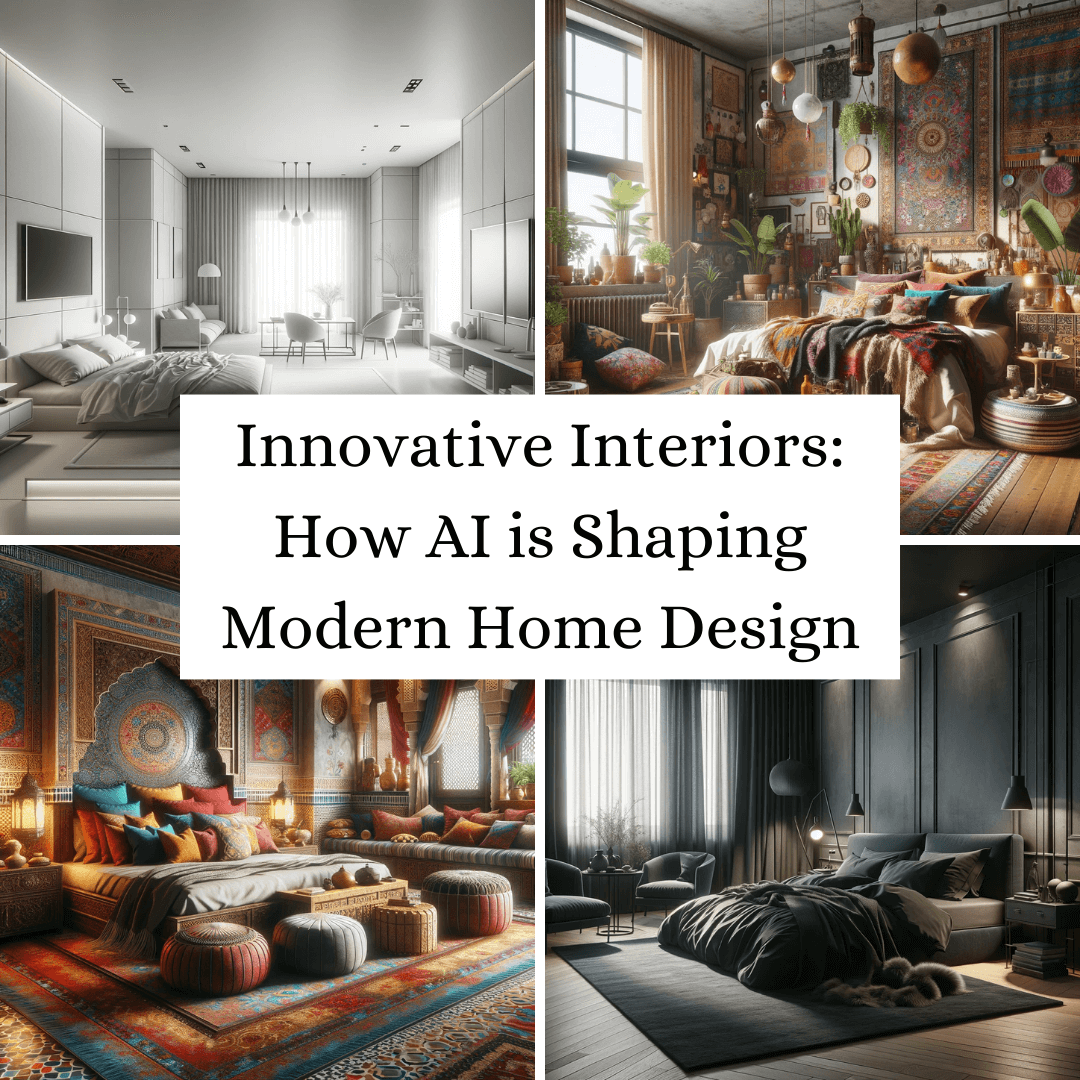
The integration of Artificial Intelligence (AI) into house interior design is a groundbreaking development in the realm of home decor. AI is revolutionizing the way we design, visualize, and interact with our living spaces. By leveraging advanced algorithms and machine learning, AI in interior design offers innovative solutions that enhance creativity and efficiency. This technology is transforming the traditional approach to interior design, making it more accessible and personalized for homeowners and designers alike.
The Evolution of AI in Interior Design
Interior design has undergone a significant transformation with the advent of AI. Initially, AI’s role in design was limited to basic tasks like data entry and simple calculations. However, as technology evolved, AI began to play a more creative and analytical role. Today, AI tools in interior design are capable of generating complete design schemes, creating realistic 3D models, and even simulating how a room would look under different lighting conditions. This evolution marks a shift from manual, time-consuming processes to efficient, data-driven design solutions that are cheaper.
How AI is Transforming House Interior Design
Artificial Intelligence (AI) is revolutionizing house interior design, making it more efficient, accessible, and cost-effective. Here’s a brief overview of its impact:
- Efficiency and Accessibility: AI tools have simplified interior design, allowing homeowners to easily create and modify house layouts. This democratization of design means sophisticated planning can now be done from home, using devices like smartphones or tablets.
- Cost-Effectiveness: By reducing the need for professional interior designers for every aspect of home design, AI offers a more affordable option. It allows homeowners to experiment with different designs without incurring high costs.
- Personalization: AI algorithms analyze individual preferences to suggest tailored design options. This ensures that each room reflects the homeowner’s unique aesthetic and functional needs.
- Real-Time Visualization: AI tools enable homeowners to visualize changes in real-time, seeing how different colors, furniture, and layouts will look in their space before making any physical changes.
- Data-Driven Decisions: AI in interior design is about making informed, data-driven decisions. It can analyze space utilization, lighting conditions, and other factors to suggest practical and appealing design solutions.
AI Tools and Platforms for Interior Design
In the landscape of AI tools for interior design, several platforms stand out, including our platform, HomeDesigns. HomeDesigns AI is a versatile tool that caters to interior, exterior, and garden design needs. It offers a range of features that allow users to experiment with different styles and layouts, making the design process more intuitive and enjoyable. Key features include:
- Beautiful/Creative Redesign: Explore various design possibilities with options for traditional or more creative and bold choices.
- Precision+: Fine-tune specific design elements to ensure every aspect of the design aligns with your vision.
- Fill Spaces: Suggest furniture and decor that complement your design, ideal for empty spaces or new additions.
Gallery of Bedrooms Designed with AI
To showcase the capabilities of AI in interior design, here are five examples of bedrooms designed using AI, each reflecting a different style:
Minimalist Bedroom
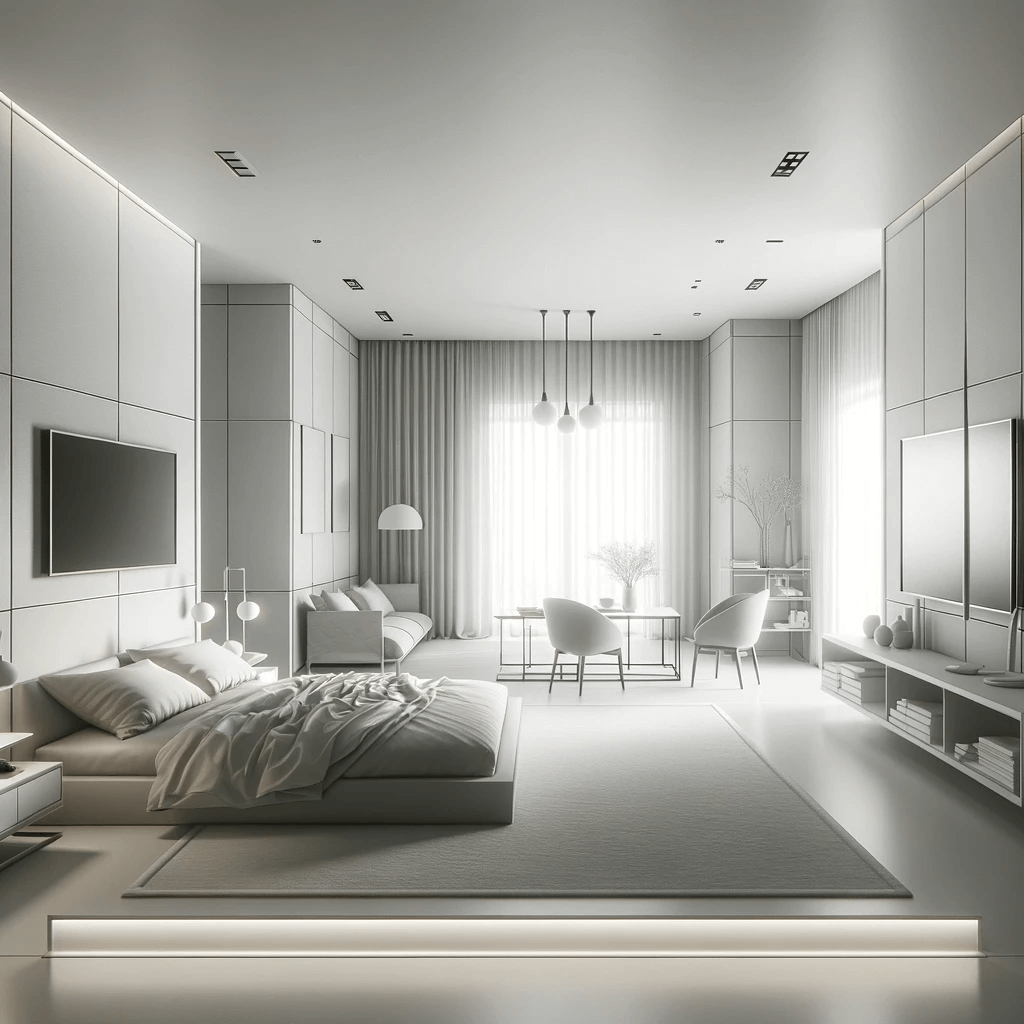
A serene space with clean lines and a monochromatic color palette.
Bohemian Bedroom

Eclectic and vibrant, featuring a mix of patterns, textures, and colors.
Moroccan Bedroom
Characterized by rich, vibrant colors, intricate patterns, and luxurious fabrics.
Nordic Noir Bedroom
Combines the simplicity and functionality of Nordic design with darker, moodier elements for a more dramatic effect.
Coastal Bedroom
Light, breezy, and reminiscent of the beach, it is all about creating a tranquil and relaxed atmosphere.
Conclusion
AI in-house interior design is not just a fleeting trend; it’s a paradigm shift that is redefining the way we conceptualize and create our living spaces.